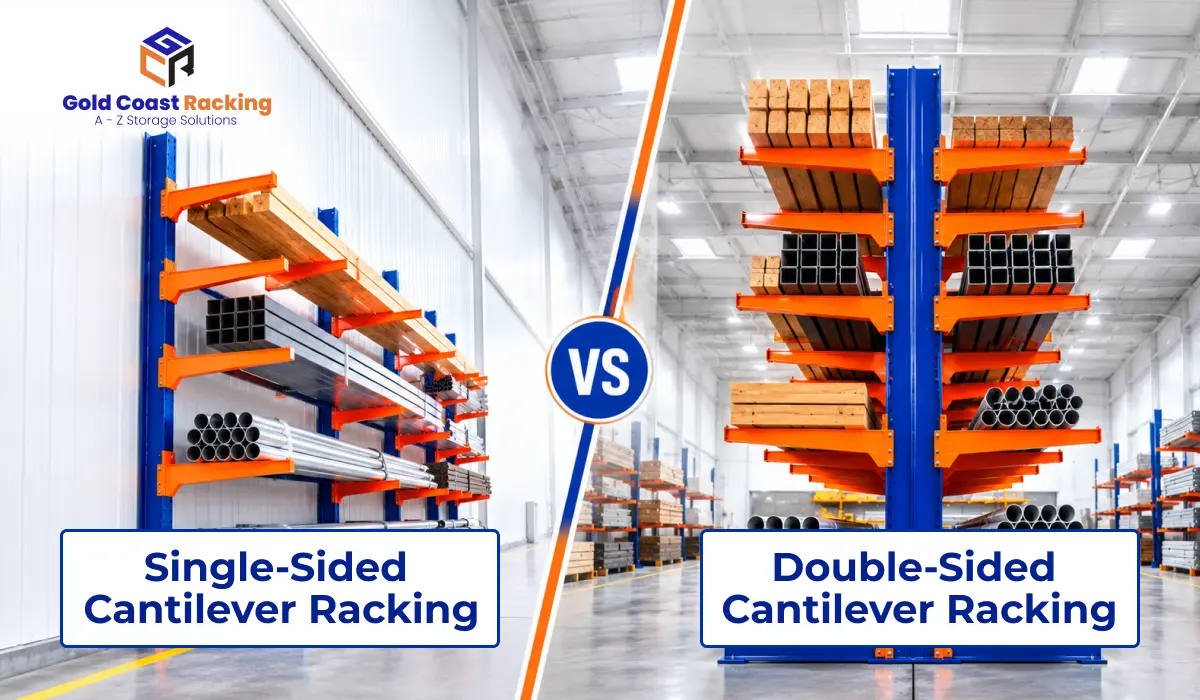
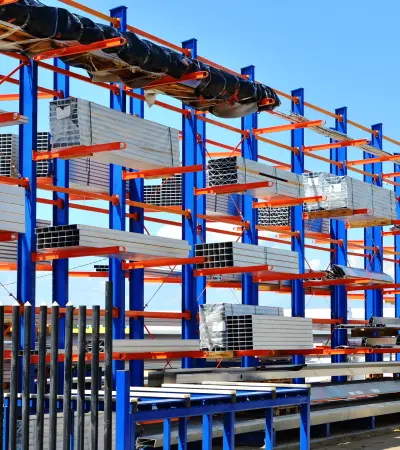
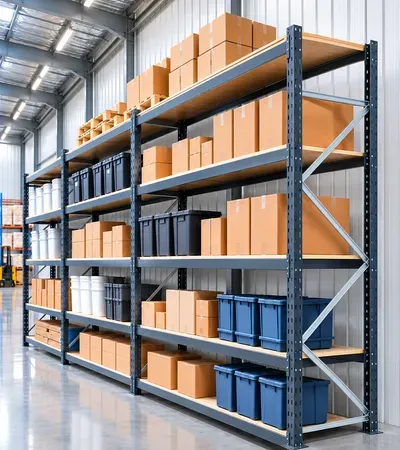


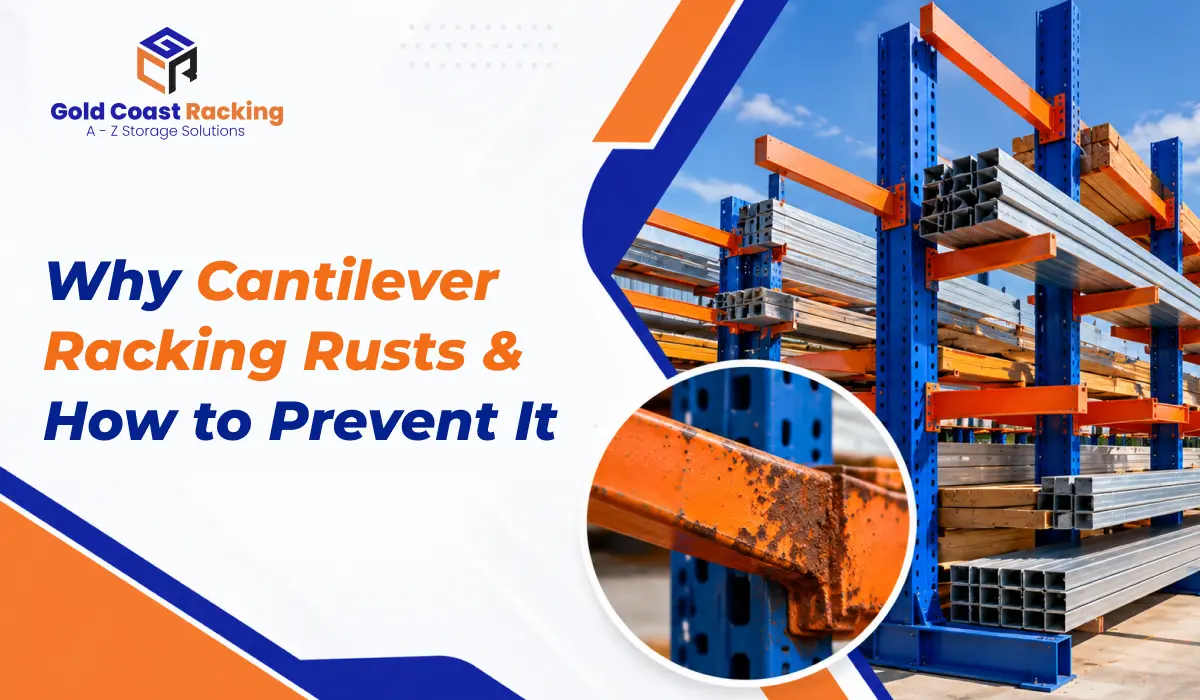
Cantilever racking is built to handle long, heavy and awkward stock like timber, steel, pipe and sheet materials. Because so much of that stock lives in yards, under awnings or along open sheds, plenty of cantilever racking spends its whole life outdoors. And outdoors, steel has one constant enemy: rust.
A little surface rust might look harmless, but left alone it can eat into arms, uprights and bases until the racking can no longer safely carry its rated load. The good news is that most rust problems are predictable, and almost all of them can be prevented with the right finish, a sensible setup and some regular care. If you’re planning a new outdoor setup, it pays to think about rust protection before you buy cantilever racking, because the right choice from the start is the easiest way to avoid problems later.
Key Insights
- Rust needs moisture and oxygen. Outdoor racking gets plenty of both from rain, humidity and morning dew.
- Coastal air speeds it up. Salt in the air makes corrosion happen much faster near the coast.
- Damaged coatings are where rust starts. Chips and scratches from forklifts and loading expose bare steel.
- Hot-dip galvanising is the usual choice outdoors. Its zinc coating keeps protecting the steel even when it’s lightly scratched.
- Setup matters as much as the finish. Standing water, wet stock and debris around bases all cause rust.
- Regular checks catch problems early. Light surface rust is easy to treat; deep corrosion can make racking unsafe.
Why Outdoor Cantilever Racking Is More Exposed to Rust
Rust forms when steel reacts with oxygen and water. Indoors, racking stays mostly dry, so a basic paint or powder-coated finish can last for many years. Outdoors, the steel is wet and dry over and over again: rain in the afternoon, dew overnight, and sun the next morning. Every wet cycle gives corrosion another chance to start.
Queensland adds a few extra challenges. High summer humidity keeps surfaces damp for longer, storms drive water into joints and base plates, and many yards sit close enough to the coast to pick up salt from the air. Cantilever racking also takes more knocks than most storage systems, because long loads are lifted on and off the arms by forklift or side loader. Each scrape can open a small gap in the protective coating.
Understanding how the system is put together helps you see where rust is most likely to start. This guide to cantilever racking components, types and uses explains each part in more detail.
The Main Causes of Rust on Cantilever Racking
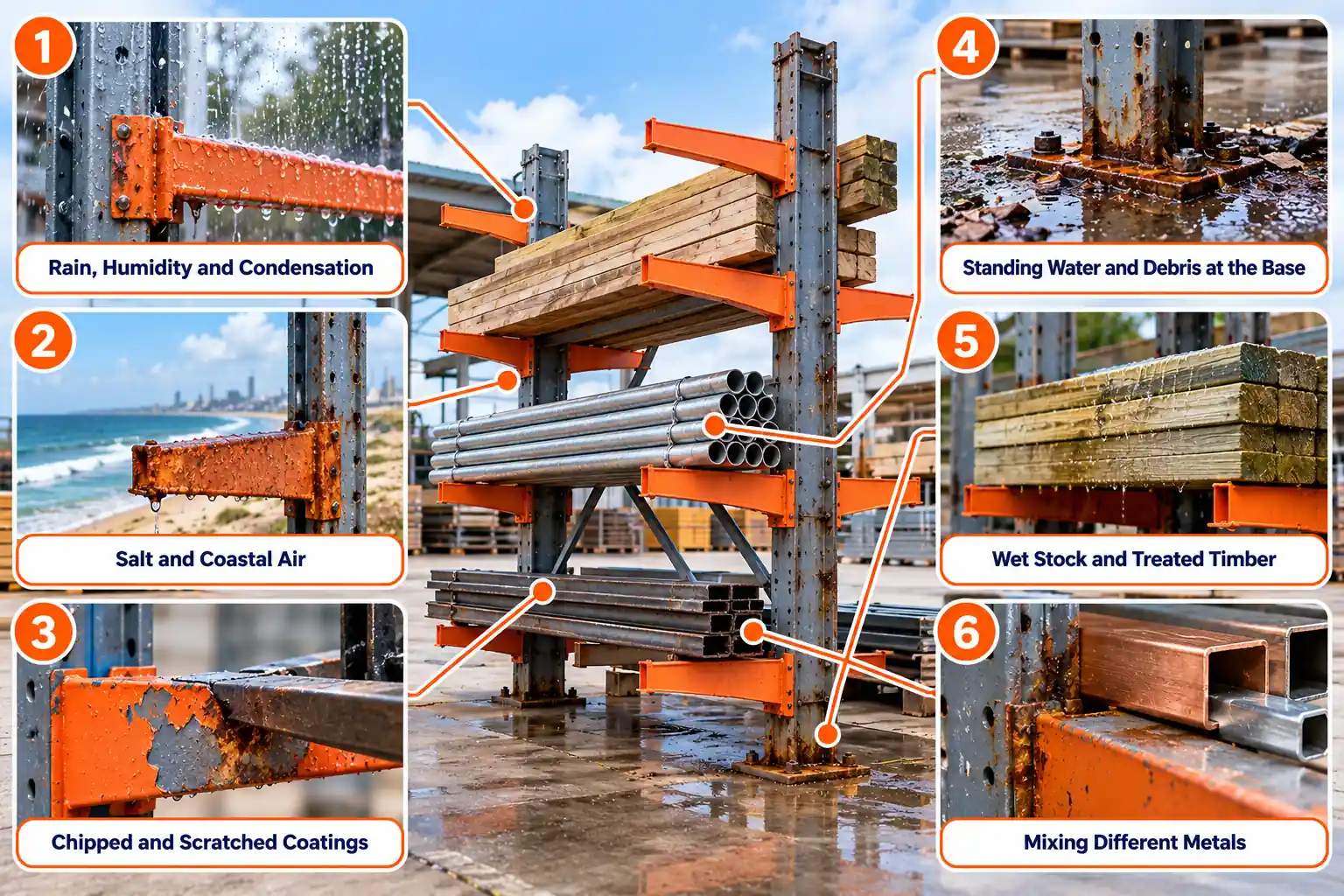
Rain, Humidity and Condensation
Moisture is the starting point for all rust. Racking that stays damp for long periods, such as frames in shaded corners or under trees, tends to rust before racking that dries quickly in the sun and wind. Condensation under roof sheeting can also drip onto arms and stock below.
Salt and Coastal Air
Salt particles carried on sea breezes settle on steel and attract moisture, which speeds up corrosion considerably. Yards near the coast, besides estuaries, or close to industrial areas usually need stronger protection than yards further inland.
Chipped and Scratched Coatings
Forklift tynes, steel bundles and dropped loads all scrape the finish on arms and uprights. On painted or powder-coated steel, rust can start at the chip and creep underneath the surrounding coating, lifting it away over time.
Standing Water and Debris at the Base
Bases and baseplates are often the first parts to rust. Water pools on uneven concrete or gravel, and leaves, sawdust and dirt pile up around the footings and hold moisture against the steel for weeks.
Wet Stock and Treated Timber
Stock that goes onto the racking wet keeps the arms damp underneath. Some treated timbers also contain copper-based preservatives that can be corrosive to steel and zinc when they stay in contact while damp, which is why many timber yards use arm protectors or spacers.
Mixing Different Metals
When two different metals touch in wet conditions, one can corrode faster than it would on its own. Replacing original bolts with mismatched fixings or storing copper or stainless stock directly on bare arms can create small trouble spots.
Galvanised vs Powder-Coated Cantilever Racking Outdoors
The finish you choose has the biggest single effect on how well your racking resists rust.
Hot-dip galvanised racking is dipped in molten zinc, which bonds to the steel inside and out. Zinc corrodes more slowly than steel, and if the coating is lightly scratched, the surrounding zinc continues to protect the exposed steel. That makes galvanised racking the usual choice for outdoor yards, coastal sites and wet conditions. You can compare options in the galvanised cantilever racking range.
Powder-coated racking has a tough coloured coating baked onto the steel. It looks clean and works very well indoors or under full cover. Outdoors, though, the coating only protects while it’s intact. Once it’s chipped, the bare steel underneath can rust and spread beneath the coating.
Feature |
Galvanised |
Powder-coated |
| Best location | Outdoor yards, coastal and wet sites | Indoor warehouses and fully covered areas |
| Protection if scratched | Zinc keeps protecting nearby bare steel | Bare steel exposed, rust can spread under coating |
| Appearance | Silver-grey, dulls over time | Clean, uniform colour |
| Maintenance outdoors | Low | Regular touch-ups needed |
| Typical upfront cost | Usually higher | Usually lower |
For most outdoor setups, galvanised racking costs a little more upfront but saves money over the life of the system. Powder-coated racking is a good fit when your racking is indoors or when appearance matters more than exposure.
How to Prevent Rust on Outdoor Cantilever Racking
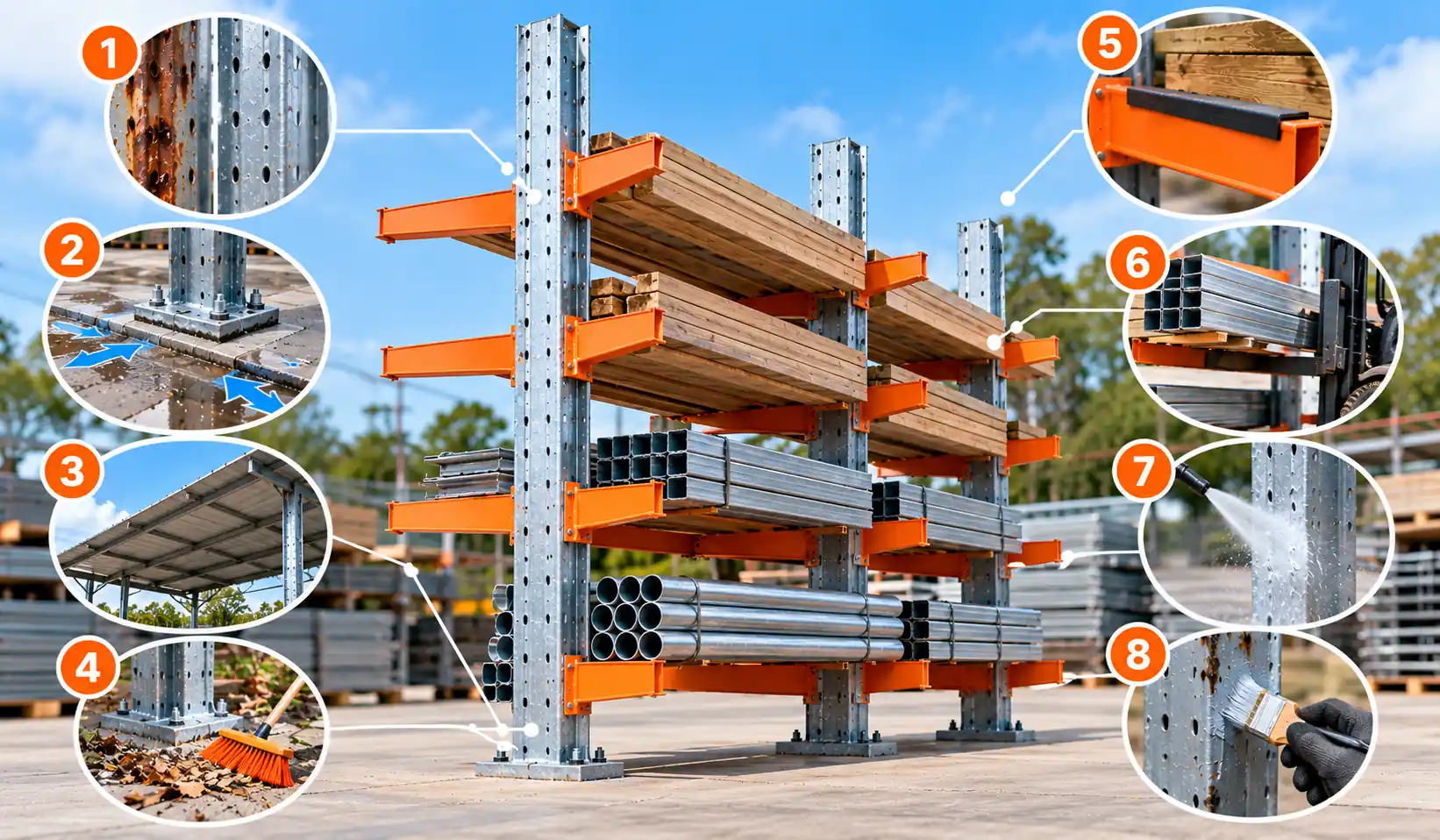
1. Choose the Right Finish for Your Site
Start with galvanised racking for any outdoor or coastal yard. If your racking will be partly covered, think about the worst-exposed section, not the most sheltered one, because that’s where rust will begin.
2. Plan Drainage Before Installation
Install racking on level, well-drained concrete wherever possible. Make sure water runs away from the bases rather than pooling around them. A level slab also matters for safe installation, which is covered in this guide on how to install cantilever racking safely.
3. Add a Roof or Cover Where You Can
A roof over your racking keeps most rain off the steel and the stock. Even partial cover reduces how often the racking gets wet, which slows corrosion and protects your materials too.
4. Keep Bases Clean and Clear
Sweep away leaves, sawdust, mud and offcuts from around the footings on a regular schedule. Debris holds moisture against the steel, and it’s one of the most common reasons bases rust before the rest of the frame.
5. Protect the Arms
Rubber or timber arm protectors stop steel bundles and treated timber from sitting directly on the arms. They reduce scratching, keep damp stock off the steel and help loads sit more securely.
6. Load Carefully to Avoid Coating Damage
Train forklift and side loader operators to lift loads cleanly on and off the arms instead of dragging them. Fewer scrapes mean fewer weak spots in the finish.
7. Wash Down Coastal Racking
On sites near the sea, a periodic rinse with fresh water helps remove salt build-up before it can do damage. Pay extra attention to joins, bolts and base plates.
8. Treat Small Spots Straight Away
Treat light surface rust and chips as soon as you find them. Clean the area, remove loose rust and apply a suitable cold galvanising or zinc-rich paint on galvanised racking, or a matching touch-up paint on powder-coated racking. Small spots fixed early rarely become big problems.
When Rust Becomes a Safety Issue
Not all rust is equal. A light orange film on the surface is mostly cosmetic and can be treated. Rust that flakes, bubbles, leaves pitting or thins the steel is different because it reduces the strength of the component.
Corrosion should be part of every racking inspection, along with bent arms, damaged uprights and loose fixings. Pay close attention to:
- Base plates and the bottom of uprights
- The connection between each arm and the upright
- Bolts, braces and fixings
- The underside of arms, where wet stock sits
If an arm or upright shows heavy corrosion or loss of section, unload it and stop using it until it has been assessed and repaired or replaced. Never patch over serious rust and keep loading it as normal. For day-to-day safety habits, read this guide on how to use cantilever racking safely.
A quick visual check during normal work, combined with regular formal inspections, is the best way to catch rust before it becomes a safety risk.
Conclusion
Cantilever racking rusts outdoors for simple reasons: moisture, salt, damaged coatings and water or debris that sits against the steel. The best protection starts before installation, by choosing a galvanised finish for exposed sites and planning good drainage. After that, a clean yard, careful loading, arm protectors and quick touch-ups will keep your racking strong and safe for years.
If you’re setting up outdoor storage for timber, steel or pipe, Gold Coast Racking supplies galvanised and powder-coated cantilever racking systems to suit yards and warehouses across Queensland.
Frequently Asked Questions
Why does cantilever racking rust outdoors?
Outdoor racking is regularly exposed to rain, humidity, dew and, near the coast, salt in the air. When moisture reaches bare steel through chips or scratches, or sits around bases and under wet stock, rust begins to form.
Is galvanised cantilever racking rust-proof?
No steel is completely rust-proof, but hot-dip galvanised racking is highly resistant. The zinc coating corrodes slowly and keeps protecting the steel around small scratches, so it lasts much longer outdoors than painted steel.
Can powder-coated cantilever racking be used outdoors?
It can be used in covered or sheltered areas, but it’s not ideal for fully exposed or coastal yards. Once the coating is chipped, rust can start at the damage and spread underneath the finish.
How do I remove rust from cantilever racking?
For light surface rust, clean the area, remove loose rust with a wire brush and apply a suitable zinc-rich or touch-up paint. Heavy rust, flaking or pitting should be assessed before the racking is loaded again.
How often should outdoor cantilever racking be inspected?
Staff should look for damage and rust during everyday use, and formal inspections should be carried out regularly. Coastal and very wet sites may need closer attention than sheltered sites.
Does rust affect the load capacity of cantilever racking?
Yes. Deep rust can thin the steel in arms, uprights and bases, which reduces their strength. Heavily corroded parts should be unloaded and replaced rather than used at their original rated capacity.
What is the best cantilever racking for coastal areas?
Hot-dip galvanised racking is generally the best choice near the coast. Regular fresh-water rinsing, good drainage and prompt touch-ups will help it last even longer.