Humans have been domesticating sheep for thousands of years.
But as grazing spaces disappear, keeping sheep has only become harder.
Sheep farming presents one with a unique set of challenges. Managing the flock in a limited space while maximizing productivity, and ensuring safety of all the cattle is something that must be taken care of.
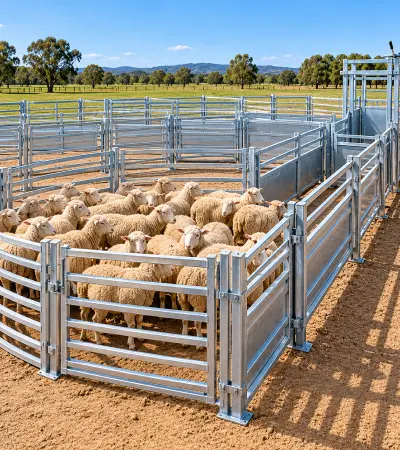
A carefully designed sheep yard system lets you make the most resources with a better livestock flow.
In this blog, let us learn how to choose the right sheep yard design, so that your sheep farming becomes as easy as a breeze:
Key takeaways
- Sheep yards include main and handling areas, with holding pens, forcing pens ramp, races and crutches.
- An efficient sheep yard creates a productive livestock handling system that improves safety, movement, and overall management.
- A custom sheep yard design should consider sheep behavior, climate, available space, safety, and livestock flow.
- Modular yards work when you want flexibility, permanent ones suit established long-term handling operations.
- Quality sheep yard equipment offers durability, weather resistance and protection against rust and everyday wear.
Components of a sheepyard
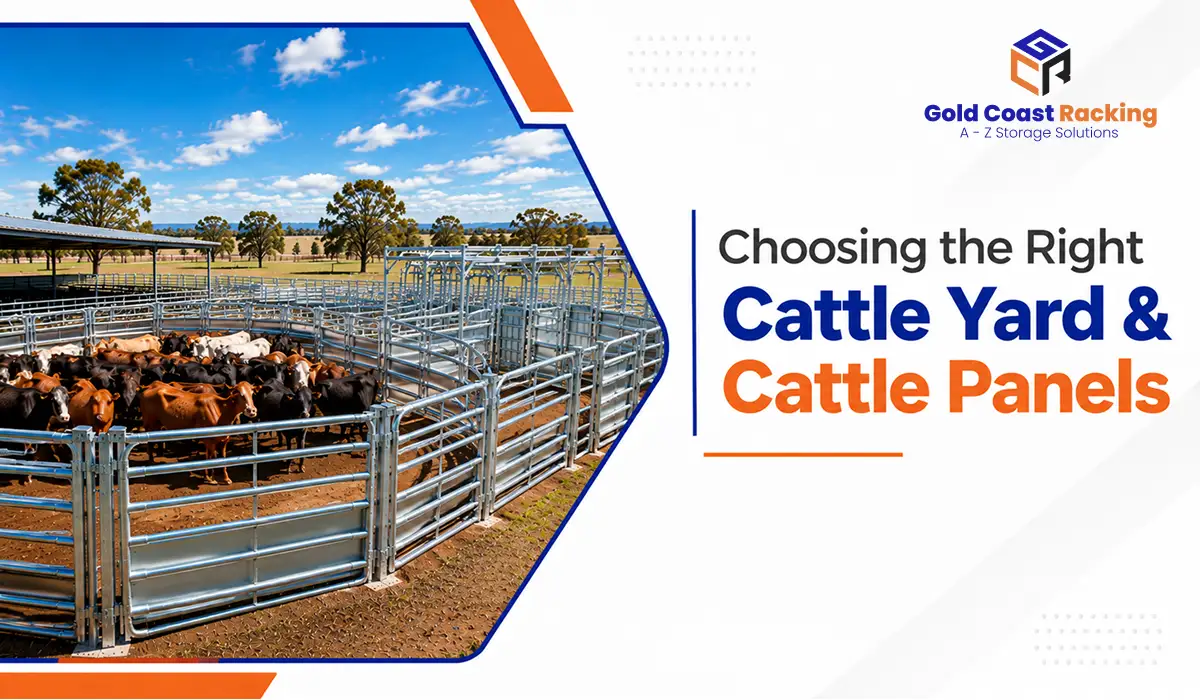
A sheep yard (or any cattle yard in general) has two main components:
- The main yard: It is the place where the cattle actually stays with a grazing paddock, shade, and drinking water.
- A handling yard: A sheep handling yard is a place for management practices such as weighing, castration or artificial insemination.
A handling yard usually has these components:
Holding and receiving pens
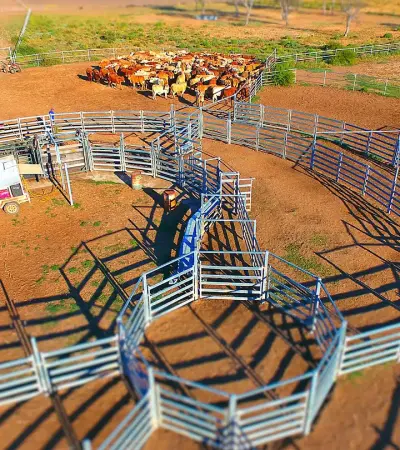
These pens are where the flock stays temporarily between different processes such as handling, shearing or veterinary treatment. Think of them just like a parking lot for the livestock! They not only need to be robust to accommodate 24/7 weather, but must also be durable enough to contain livestock movement.
Forcing pens
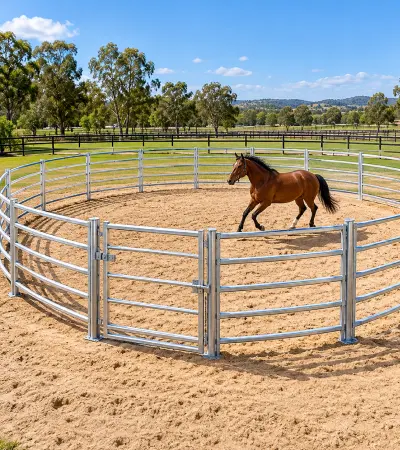
A forcing pen, often designed circular, is a small enclosure used in a cattle yard to safely guide the animals towards races, crushes or loading areas from the main yard safely. It needs to be materially sound else because it has to contain livestock, which may behave differently.
Loading ramp
A loading ramp helps load the goods for transport to market. It is an effective and stress-free way for the animals to transition from low ground to livestock transport vehicles. A textured and non-slip flooring surface is essential here to prevent dangerous slips and injuries.
Drafting race
Races are spaces where quick operations are handled such as branding or giving injections to the flock. The sheep are just simply raced forward while the operations are done. They also feature adjustable swing gates to quickly separate the flock into different groups.
Sheep crushes
Some actions however such as earmarking, dehorning and pregnancy testing demand the animal be restrained. A crush holds the animal firm and allows an individual to easily get done with the process. Usually, crushes are designed as an extension of race.
How to design an efficient sheepyard
An efficient sheep yard setup is a carefully designed one. Commit one mistake and the design fails.
Here are the things that must be kept in mind for sheep yard layout ideas for better livestock flow:
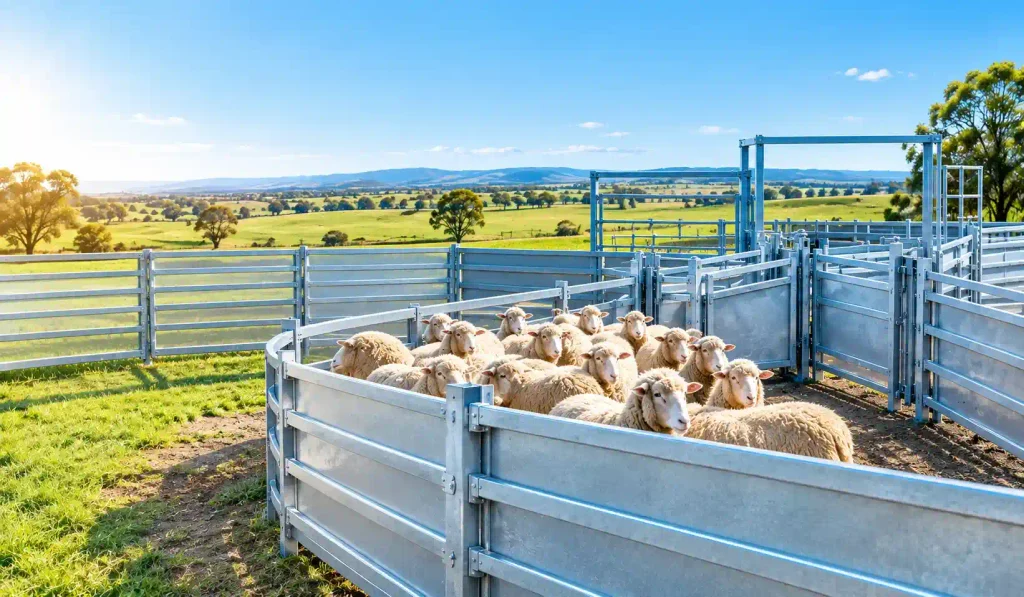
Sheep-minded design
When designing your yard keep the way sheep behave to make the best use of their instincts.
Use visual decoys to encourage smooth movement through races and lanes that attract the sheep and kick-in their natural flocking response. Also, sheep move towards light and way from darkness, so use a pen that encourages the flock forward.
Safety as priority
Safety should be your number one priority, especially in smaller sheep yards. There’s always a risk for injuries and suffocation.
Make sure all equipment gets regular maintenance and there are no potential hazards or sharp corners. Also, ensure the fencing is adequate to minimize escape incidents. Keep the yards clutter-free to help with flow of the flock.
Portable or permanent
Assess your needs and choose a type of yard that fulfils your needs and requirements. Portable yards can be relocated easily, but when you have a permanent place for your flock, using fixed yards is your best option.
When your farm is still growing or you have leased space, modular sheep yard systems are the way to go.
Climate-suited design
A design adapted to climate conditions keeps your sheep comfortable and pleased all year long.
For example, when designing for a hot climate, your priority is preventing heat buildup. This can easily be achieved by installing shade and controlling airflow. Not only is it beneficial for the sheep, it also keeps humans away from health risks.
Looking to buy a sheep yard in Queensland? Browse our collection and decide which sheep panel or yard fits you best!
Things to consider before buying sheep panels
To make the perfect yard suited to your farm and sheep, you also need to know what to look for in sheep yard panels. Here’s what you should keep in before you make a purchase:
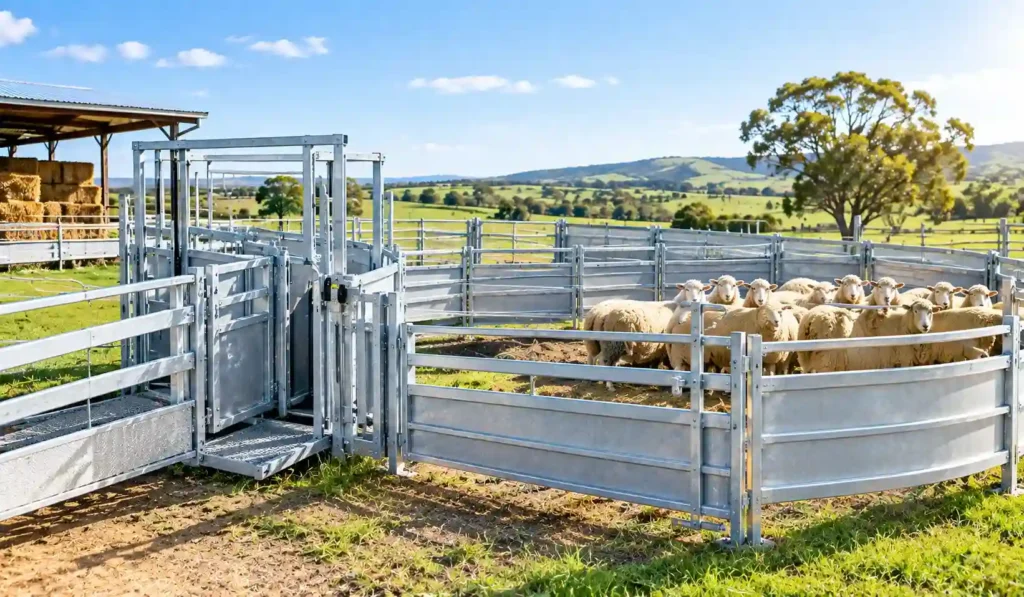
The right panel
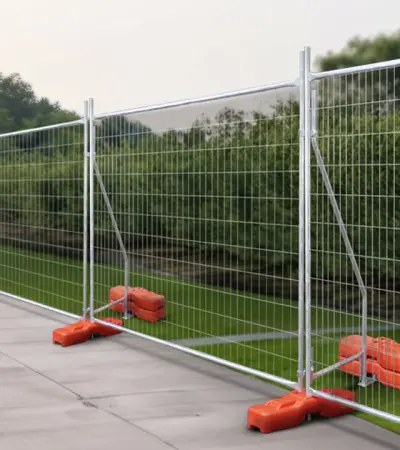
When selecting livestock yard panels, the panel spacing and height depends on the specific breed you will be farming. Choose the right height and spacing for the sheep yard fencing to prevent the sheep from escaping.
Modular or fixed
Look at the type of yard you would be setting up. For a permanent yard heavy-duty sheep yard panels are used. At the same time, portable sheep yards use ones that are more light-weight and flexible, perfectly suited for reuse and relocation.
Quality
Choose good quality hot-dipped galvanised metal panels to prevent any rusting or wear and tear from manure and weather. The best material is steel for this use case. Steel sheep yard panels are also readily available on our website, which you can access by clicking here and explore our Gold Coast Racking website!
Durability and safety measures
Additional measures to make sure the panels last as long as you want include getting reinforced corner joints, a strong weight capacity for endurance, stackability for transport, and a UV resistant coating (yes, a sunscreen built specifically for panels).
Conclusion
At the end of the day, a well-designed sheep yard minimizes the challenges and makes the management of the flock much easier.
Design the yard around sheep’s natural instinct, climate conditions with safety as a priority for both the cattle and the humans overseeing the operations. Such a sheep yard layout keeps both the sheep and the managers stress-free.
Ultimately, investing in high-quality materials and thoughtful planning upfront will save you countless hours of heavy labor later. Make sure to plan well!
Frequently asked questions
What should I consider when designing a sheep yard?
You should consider the sheep’s behavioral instinct along with factors such as safety and climate conditions. Also, you can choose between a modular or permanent yard.
What are the best sheep yard panels for livestock handling?
Hot-dipped galvanised steel panels with suitable heights and spacing are ideal for setting up your sheep yard.
How do I choose the right sheep yard layout?
The right layout is the one without clutter which maximizes the space available and lets the sheep catch a breath.
Why are galvanised sheep yard panels a good choice?
These panels resist rust, weather damage, manure exposure, and wear making them durable for long term flock handling.
What features should quality sheep yard panels have?
They should be durable, be suitable for the spacing, have reinforced joints and stackability. A UV resistant coating is a plus.
Where can I buy quality sheep yard panels?
Gold Coast Racking, a leading storage and racking solutions company has quality sheep yard panels for sale, which they deliver right to your doorstep.
How do I maintain sheep yard panels for long-term use?
Regular inspections, repairing damage and addressing problems like rust promptly will do enough to keep the panel lifetime long.