
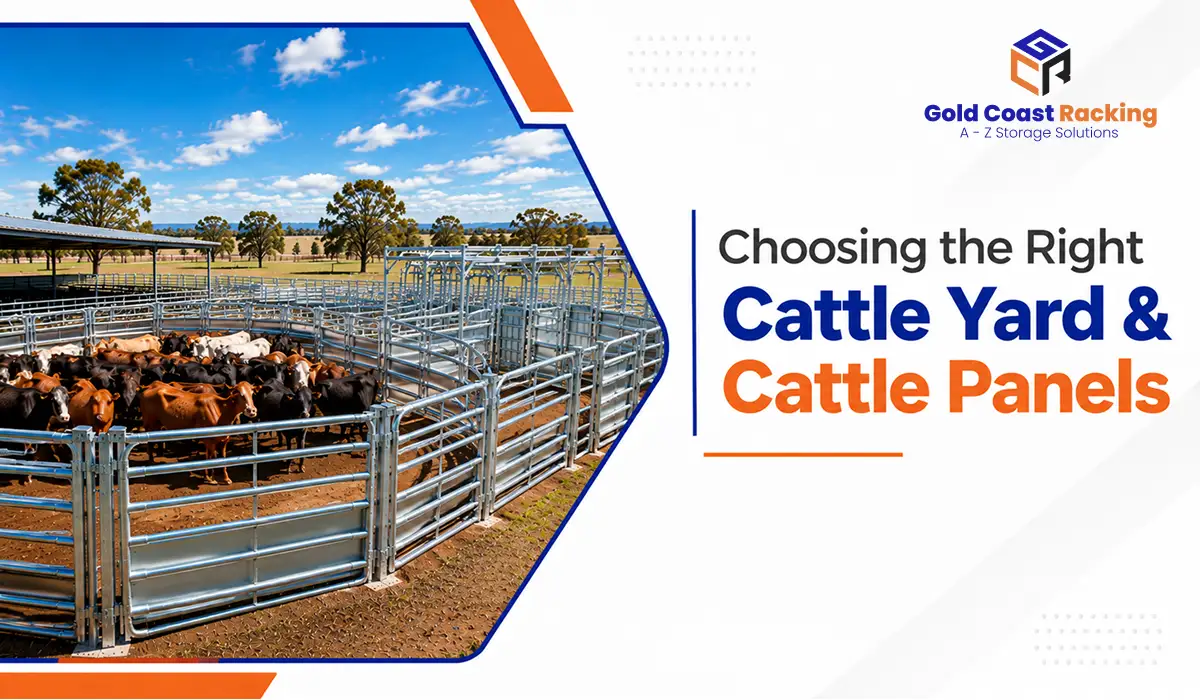
We might see a cattle yard as just a functional equipment in our workflow. But for cattle, we’re talking about their home.
Hence, its design and layout must be shaped with their psychology in mind, so that they feel safe and secure while also helping the long term plans we have with them.
The right cattle yard and cattle yard panels are the ones that match your herd size, site conditions and drainage system.
Let’s take a detailed look at all the factors that affect the choice of cattle yards and how you can choose the right one for you:
Key takeaways
- Match yards and panels to herd size and frequency of use for better efficiency and overall compatibility.
- Prioritize animal safety with stress free design and movement for cattle for a smoother experience for both cattle and handlers.
- Choose durable materials that withstand heavy pressure and intense weather conditions.
- Opt for a flexible, modular system if expansion or relocation is needed, keeping in mind future scalability.
- Balance upfront cost with long term efficiency and go for value for money variants of yards and panels.
What are cattle yards and panels?
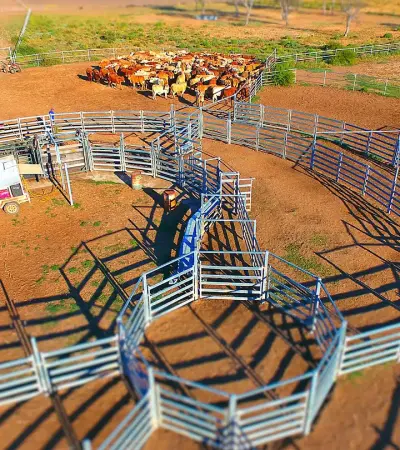
Cattle yards are structured enclosures especially designed to make livestock handling safe and more efficient. They provide the central hub where cattle are guided for sorting, weighing, medical checks or mobilisation.
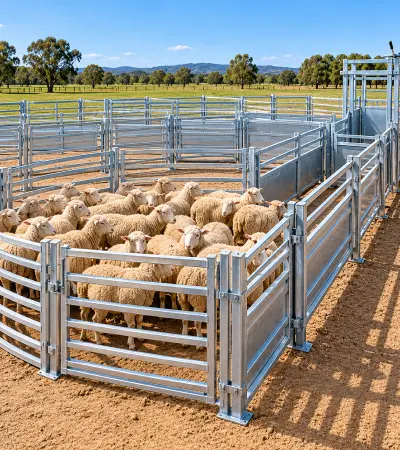
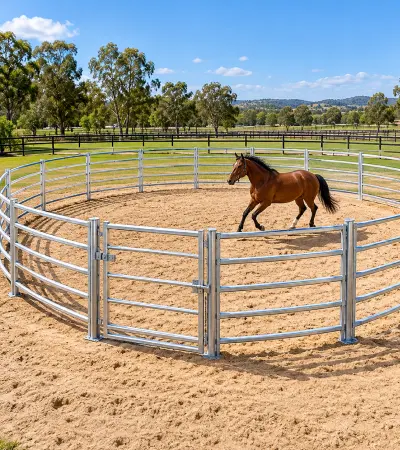
At the core of these yards are cattle panels. These are strong and modular barriers that can be connected to form pens, races, or holding areas.
The flexibility in their designs is favourable for both the large scale operations or portable panels. These panels assist livestock handlers to manage herds with confidence and care as they can be moved and set up for smaller or seasonal needs.
Make sure to avoid common cattle yard design mistakes while setting up a layout to get the maximum output.
Purpose of cattle yards and cattle panels
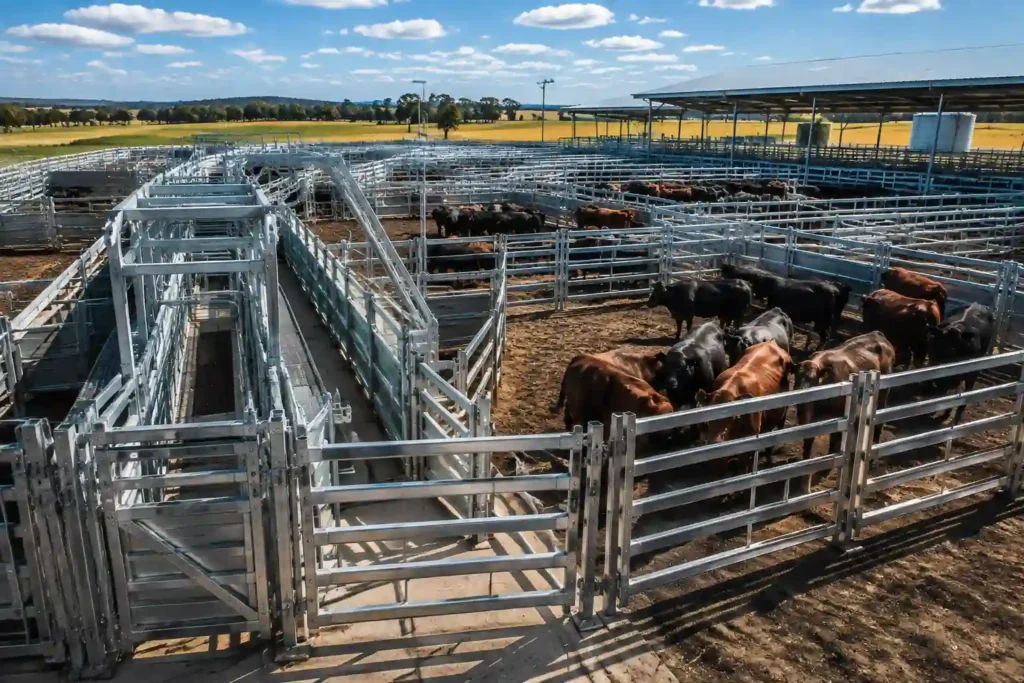
A cattle yard provides a safe environment for both cattle and livestock handlers.
By considering animal psychology, these structures are designed to guide cattle in the direction they naturally prefer to move. This reduces panic or resistance.
=Rounded corners, non- slip flooring, and strong yet smooth-edged panels minimize injury risks and keep animals calm.
For handlers,this means greater control and efficiency being guaranteed. Farmers and ranchers use them on a daily basis to manage herds.
Veterinarians highly rely on them for vaccination or convenient health check ups. And large scale businesses prefer them for large scale-operations.
Types of cattle yard systems and panels
Cattle yard designs for 20, 50, 100 head herds use different types of yards and panels from that for a larger herd.
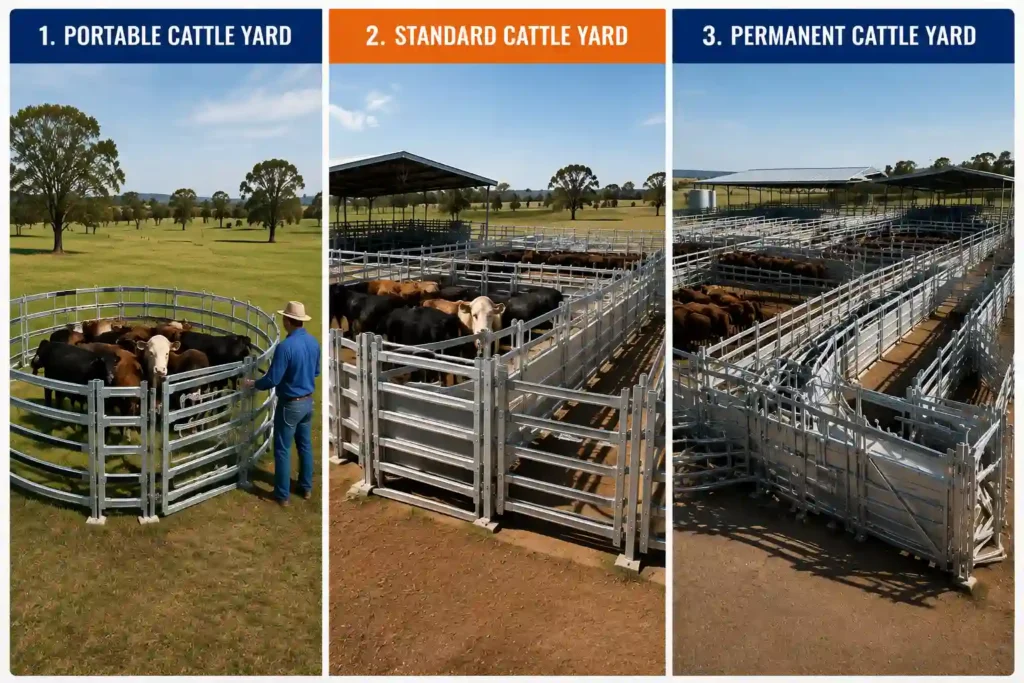
Different types of yards include portable yards, standard yards, and permanent yards. For cattle panels, you get two options: Heavy-duty panels and galvanised panels.
To make the right choice, it’s important to understand the difference among these and the purpose of each. Here’s the detailed explanation:
Cattle yards types
1. Portable yards
Lightweight and movable, these are the best choice for cattle yard designs required for small farms or seasonal requirements.
Use: Best suited for small-scale farmers or those who need temporary setups.
Benefits: Easy to mobilise, assemble herds, and dismantle. Perfect when flexibility is the priority.
2. Standard panels
These are basic modular barriers used for gentle cattle handling. They are cost- effective and suitable for routine tasks.
Use: Everyday cattle handling across farms of all sizes.
Benefit: Affordable and practical. They cover routine needs like guiding or holding cattle without heavy investment.
3. Permanent yards
Built with heavy-duty steel or concrete, permanent yards are fixed structures designed for large farms and long term use. These steel cattle yards offer durability and stability which is ideal for handling big herds regularly.
Use: Large scale operations where herds are handled frequently and efficiency is critical.
Benefits: Built with steel or concrete, they offer durability, stability, and long term reliability. Ideal when you want a fixed professional grade system.
Cattle panels types
1. Heavy duty panels
Reinforced with stronger steel, heavy-duty cattle yard panels are designed to withstand pressure from large or more aggressive animals. This results in safety and longevity of the structure.
Use: For ranchers managing large or stronger herds.
Benefits: Reinforced strength ensures safety,prevents breakage and handles pressure from aggressive animals.
2. Galvanised cattle panels
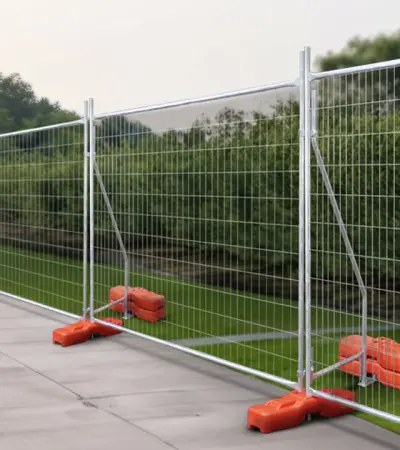
Galvanised cattle panels are steel panels coated with zinc. These are designed to resist rust and withstand harsh outdoor conditions.
Use: They are widely used in permanent cattle yards for safe, durable, and low maintenance livestock handling.
Benefits: Rust proof, long lifespan (20-25 years), cost effective, smooth finish for animal safety, and minimal upkeep.
To check out cattle yard cost guide, click here.
What to look for in cattle yard panels and yards
To choose the right cattle yard and panels. First, figure out your needs. Consider factors such as herd size, frequency of use, and the type of operation you want to perform.
And before buying cattle yard panels in QLD, match your requirements with the yard design. Here’s a detailed explanation of each factor:
1. Herd size and frequency of use
Small herds or occasional handling can work efficiently with portable yards. On the other hand, large herd sizes often demand permanent structures.
Also, consider how many times you’ll use the cattle yard layout in a month. If regular use is intended, heavy-duty panels and yards will work better.
2. Animal safety and psychology
Panels should be the safe space for guiding cattle, so that their movement stays organic. This will ultimately help in safer handling.
Rounded corners, smooth edges, and non-slip surfaces reduce stress and injuries.
3. Durability and material strength
Steel or concrete yards last longer and withstand heavy pressure. Portable cattle panels should still be strong enough to resist wear and tear, especially if moved often.
4. Flexibility and adaptability
Secure latches, proper height, and sturdy gates provide protection to farmers, ranchers, and veterinarians during routine tasks. A well yard design reduces risk for both sides.
5. Budget and portable use
Portable panels are cheaper upfront. They are suitable for temporary and light use. But if you manage large herds regularly, a permanent yard built with steel cattle panels can save costs in the long run.
6. Drainage and site conditions
A well drained site prevents mud, waterlogging, and disease risks. Proper ground slope, flooring, and site layout ensures the yard remains functional. It makes them safe and easy to maintain in all seasons.
If managing all these factors gets too much, you can seek professional help at Gold Coast Racking. We assess your needs and give you a perfect solution along with best quality panels, gates, and other equipment.
Conclusion
A well chosen smart cattle yard solution is a safeguard for both animals and handlers. The right design reduces stress, prevents injuries, and makes everyday tasks efficient.
Importantly, this is not just short term planning. Cattle yard installation is a long run convenience that shapes the durability of your farm for years to come.
Whether you opt for portable cattle yard setup or invest in permanent yards, maintenance remains indispensable. Regular checks, proper drainage, and attention to site condition ensure the system continues to serve effectively.
Frequently Asked Questions
1. What should I consider when choosing cattle yard panels?
Consider herd size, panel height and strength, gate placement, material type, portability, and long-term budget durability.
2. What type of cattle yard system is best for livestock handling?
Curved forcing yard systems, inspired by Temple Grandin’s design principles, reduce stress and improve cattle movement efficiency.
3. Why are galvanised cattle panels a popular choice?
Galvanised coating resists rust and corrosion. This offers superior outdoor longevity, lower maintenance, and better long-term value.
4. How do I choose the right cattle yard layout?
Match layout to herd size, working needs, yard flow, ground slope, and future expansion requirements.
5. What features make cattle yard panels durable?
Heavy-gauge steel, galvanised coating, reinforced welds, sturdy hinges, and rust-resistant fittings ensure long-lasting strength.
6. How can I maintain cattle yard panels for long-term use?
Regularly inspect welds and hinges, clean debris, touch up coating damage, and replace worn components promptly.
7. Where can I buy quality cattle yard panels?
You can buy quality yard panels from Gold Coast Racking. We offer customized cattle yard solutions that perfectly fit your needs.