


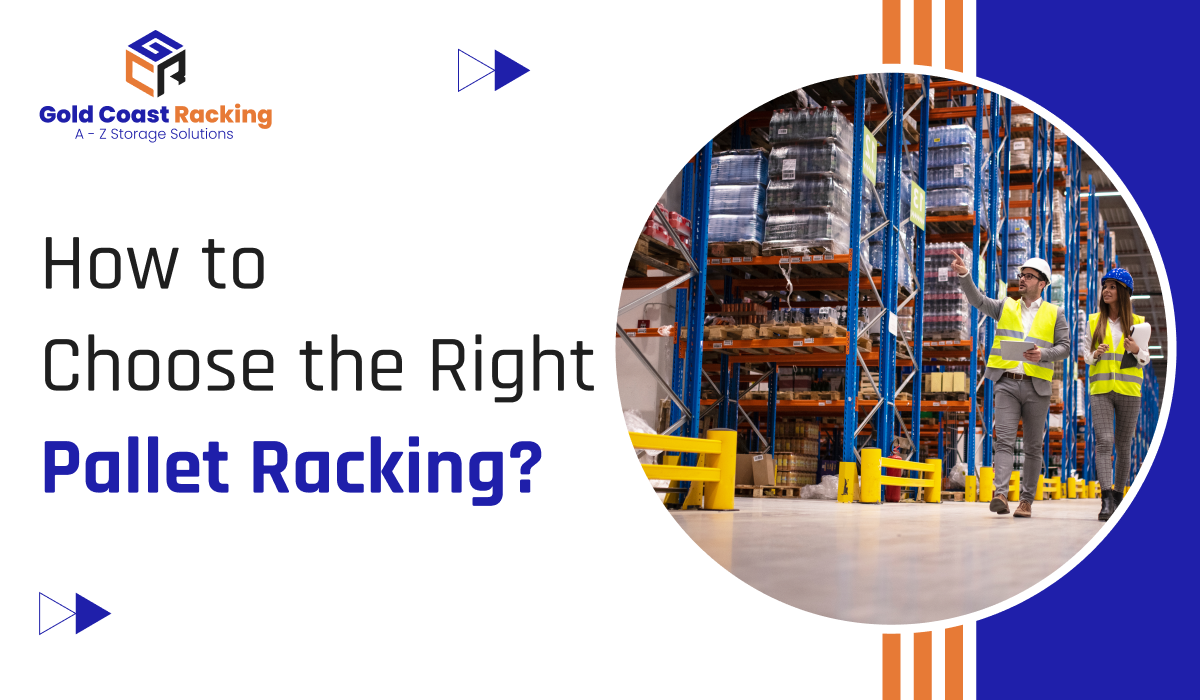
When you’re setting up or expanding your warehouse, choosing the right pallet racking system becomes one of your most critical decisions. The system selected by you would impact your storage efficiency, daily operations, and the bottom line as well.
Many warehouse managers struggle to balance storage density with accessibility stores. They end up sacrificing quick access to prioritize accessibility. And failure to do that might waste valuable floor space.
To answer most of these issues, we’ve compiled this guide on how to choose pallet racking to help you make smarter and more scalable decisions for your warehouse.
Let’s get right to it:
Key takeaways
- If you have lots of different products, then you need selective pallet racking because it lets you get to every pallet easily which is good for mixed items.
- Drive-in and drive-through systems are better when you have bulk items that are all the same because they fit more stuff in less space.
- You should pick your rack based on what kind of inventory. Like how heavy it is, how big, and how fast you sell it.
- Good manufacturers like Gold Coast Racking can help you plan everything and give you free design services as well.
- In Australia you have to follow AS4084-2023 safety rules and get inspections done every year which is important for safety.
Understanding your warehouse needs
Understanding how to select pallet racking for a warehouse begins with your inventory characteristics. So, look at what you’re actually storing and how you operate.
Lighter goods can work with lighter-duty configurations. But weight alone doesn’t determine your needs. Therefore, think about how often you access each product.
Match racking systems to stock movement and access
Fast-moving SKUs in pallet racking for warehouses require quick and easy retrieval. This makes selective racking with complete access the practical choice.
Slow-movers such as bulk items can go into high-density systems like push-back or drive-in racks without causing operational headaches.
Your inventory method matters too because you’re running first-in, first-out (FIFO) for perishables, you need systems that let you retrieve older stock first.
For this, you should use pallet flow systems. If you are running last-in, first-out (LIFO), push-back or drive-in configurations support this approach naturally.
Evaluate warehouse layout and vertical space
Your warehouse layout isn’t just background information when choosing pallet racking based on pallet size and operational requirements. Floor plan, aisle width, ceiling height, and traffic patterns are important here.
Narrow aisles require specialised lift trucks and racking designed for tight manoeuvring. Don’t overlook vertical space either as many warehouses leave capacity unused by not stacking high enough.
Choosing the right pallet racking system
Learning how to choose the right pallet racking system begins here.
Let’s look at a couple of the common pallet racking systems along with their characteristics and advantages:
Selective racking options
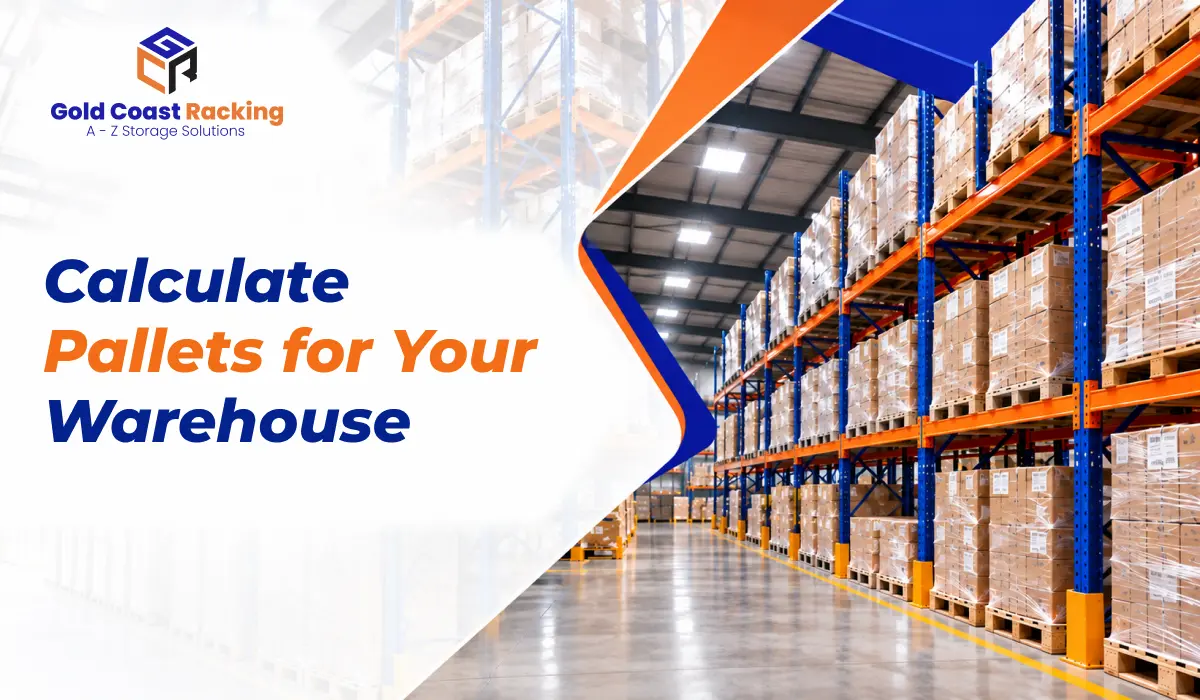
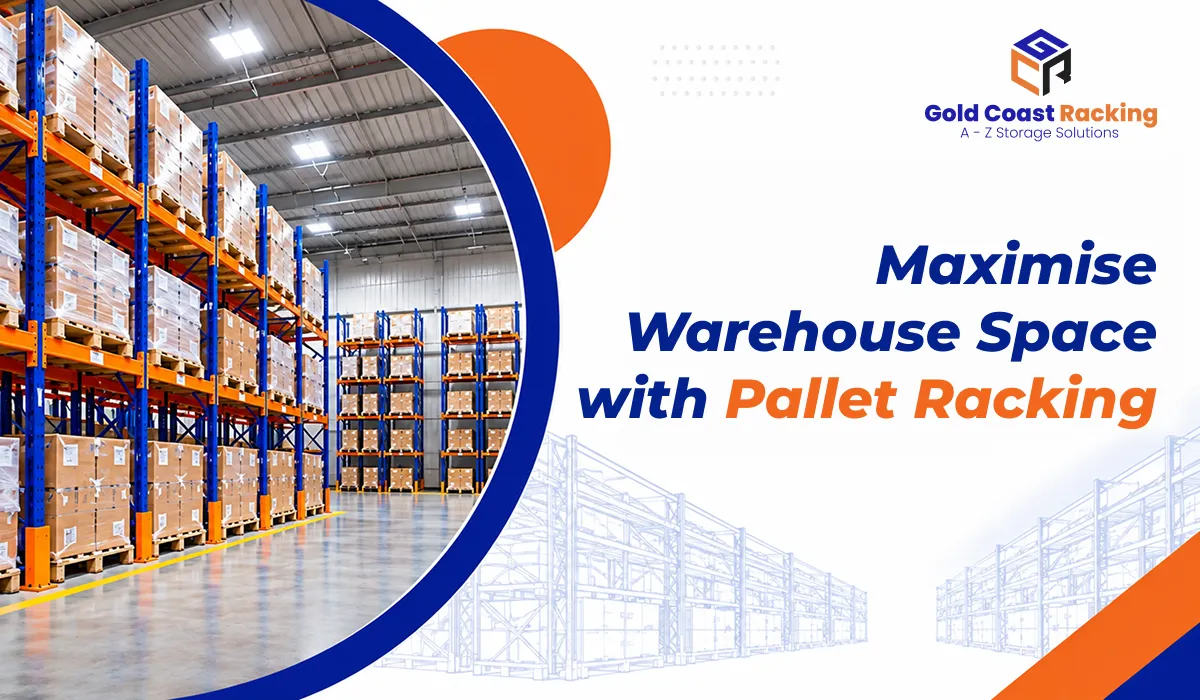
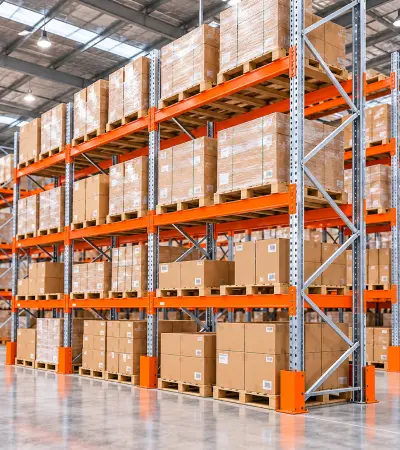
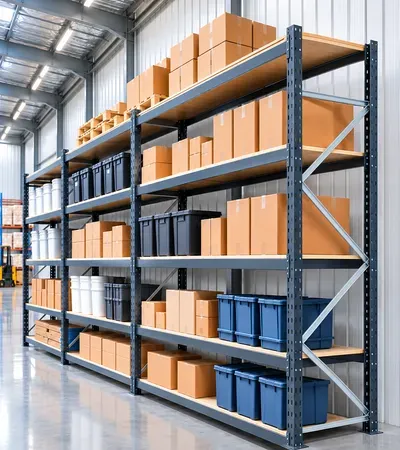
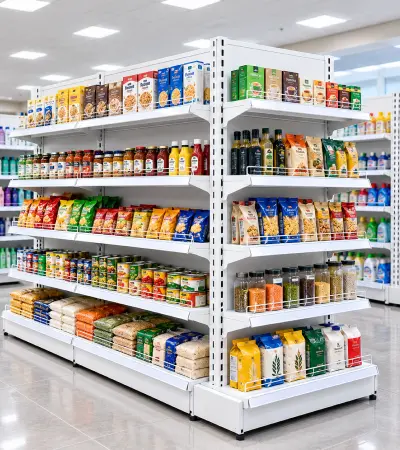
Selective pallet racking gives you direct access to every single pallet, cementing itself as a widely used system.
When you are dealing with mixed SKUs or inventory that changes frequently, the adjustable beams make it incredibly flexible.
Industry experts highlight that selective racking offers excellent SKU visibility while keeping installation and maintenance costs relatively low. You’ll find that it works with standard forklifts and features easily adjustable beams.
Drive-in and drive-through systems for high density
When you’re choosing pallet racking systems for density, you’ll find that drive-in and drive-through systems take a different approach from what you might expect.
They let your forklifts actually drive into the rack structure, dramatically increasing storage density. Drive-in systems store pallets deep from one side, while drive-through designs allow access from both ends.
These systems work on a last-in, first-out basis, so they’re not ideal if you need frequent stock rotation. However, in costly refrigerated spaces, the space savings can be substantial.
Specialised solutions for unique requirements
You’ll find options beyond regular pallet racking if you need something special.
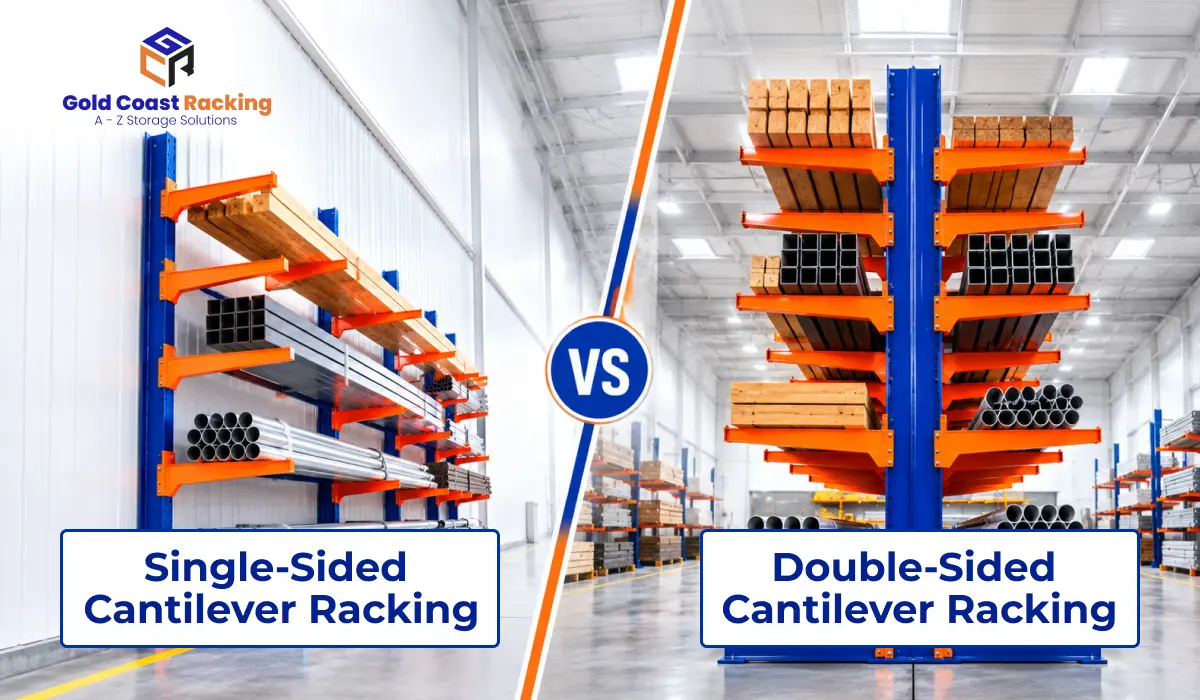
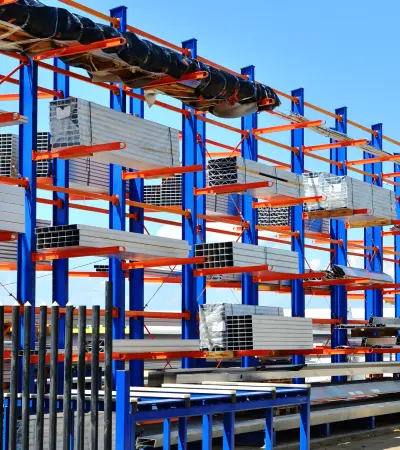
Cantilever racking is great when you’re storing long-form inventory like timber or pipes.
You can use A-frame racking too as it holds lengthy products vertically, which saves you space. Manufacturers can customize systems for you as well. This helps when you’ve got irregularly-shaped goods or sizes that don’t fit normal racks.
Safety, compliance and load management
You can think of pallet racking like a big shelf that holds heavy boxes. If the shelf isn’t strong or placed properly, it can bend, break or fall over.
That’s why safety rules, strong floors, and weight limits matter before stacking anything.
Australian standards and compliance requirements
If you’re operating in Australia, compliance with AS4084-2023 (the Steel Storage Racking Code) is mandatory.
Quality Australian manufacturers like Gold Coast Racking typically use pre-galvanised steel frames that resist rust and offer lifetime guarantees. These guarantees protect you from rust-related failures and replacement costs.
Regular inspections and floor considerations
Regular safety inspections are required. According to AS4084-2023, you should conduct these at least annually to ensure ongoing compliance and catch potential structural issues.
One practical consideration that often gets overlooked is your floor type. Industrial warehouse floors vary in composition, and proper anchoring is essential for structural integrity and meeting safety standards.
Load management and seismic safety
Load management goes beyond just checking weight capacities. You need to understand your inventory’s weight distribution and ensure your racking can handle not just individual pallet weights but also the cumulative load across beams and bays.
If you’re in an earthquake-prone area, seismic considerations become critical as well.
Failure to address seismic concerns can result in catastrophic collapse and serious regulatory violations.
Planning for growth
Your racking system isn’t just for today, it needs to support your business as it grows. Think about your expansion plans when making your selection. Selective racking offers excellent scalability because you can easily reconfigure it as your needs evolve.
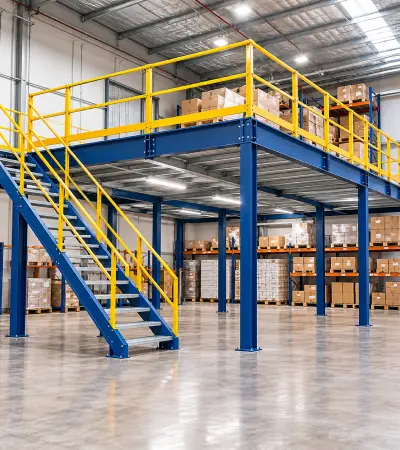
Consider whether your current warehouse has room for vertical expansion before investing in additional floor space.
If your building structure and equipment can handle it, going vertical can significantly boost storage without expanding your footprint.
Frequently Asked Questions
What is the Australian standard for pallet racking?
AS4084-2023 is the mandatory Steel Storage Racking Code that governs all pallet racking installations and safety requirements.
How to calculate total load capacity?
Add individual pallet weights, factor in cumulative loads across beams and bays, and ensure compliance with manufacturer specifications.
How do you calculate pallet racking capacity?
Add individual pallet weights while following a pallet racking systems guide. Then, factor in cumulative loads across beams and bays to get pallet racking capacity.
How to choose the right pallet?
Consider your inventory weight, dimensions, turnover rates, and whether you need FIFO or LIFO inventory management for optimal selection.
Conclusion
This pallet racking selection guide shows that selecting the right system comes down to understanding three core elements: your inventory needs, your warehouse constraints, and safety compliance.
Always assess your inventory weight, turnover rates, and access frequency before deciding, as these factors form the foundation of pallet racking selection based on inventory.
In Australia, AS4084-2023 compliance isn’t optional, and annual safety inspections are mandatory. Don’t overlook load distribution and floor anchoring requirements.
For additional insights, explore our guides on tips to optimize warehouse storage space and discover the benefits of pallet racking for your operations. Remember, you get what you pay for when it comes to quality racking systems.